Solar-Powered Water Wells and Drought Relief in Tribal Hills

Water is the foundation of human survival, dignity, and economic development. Yet, across the arid hill tracts of Bankura, Purulia, Mayurbhanj, and the Chota Nagpur plateau, water scarcity is an unforgiving, year-round crisis. During the scorching summer months, temperatures soar above 42 degrees Celsius, drying up shallow ponds, seasonal rivulets, and traditional surface wells. For indigenous tribal families living in elevated forest hamlets, acquiring a single pot of drinking water becomes an exhausting daily struggle.
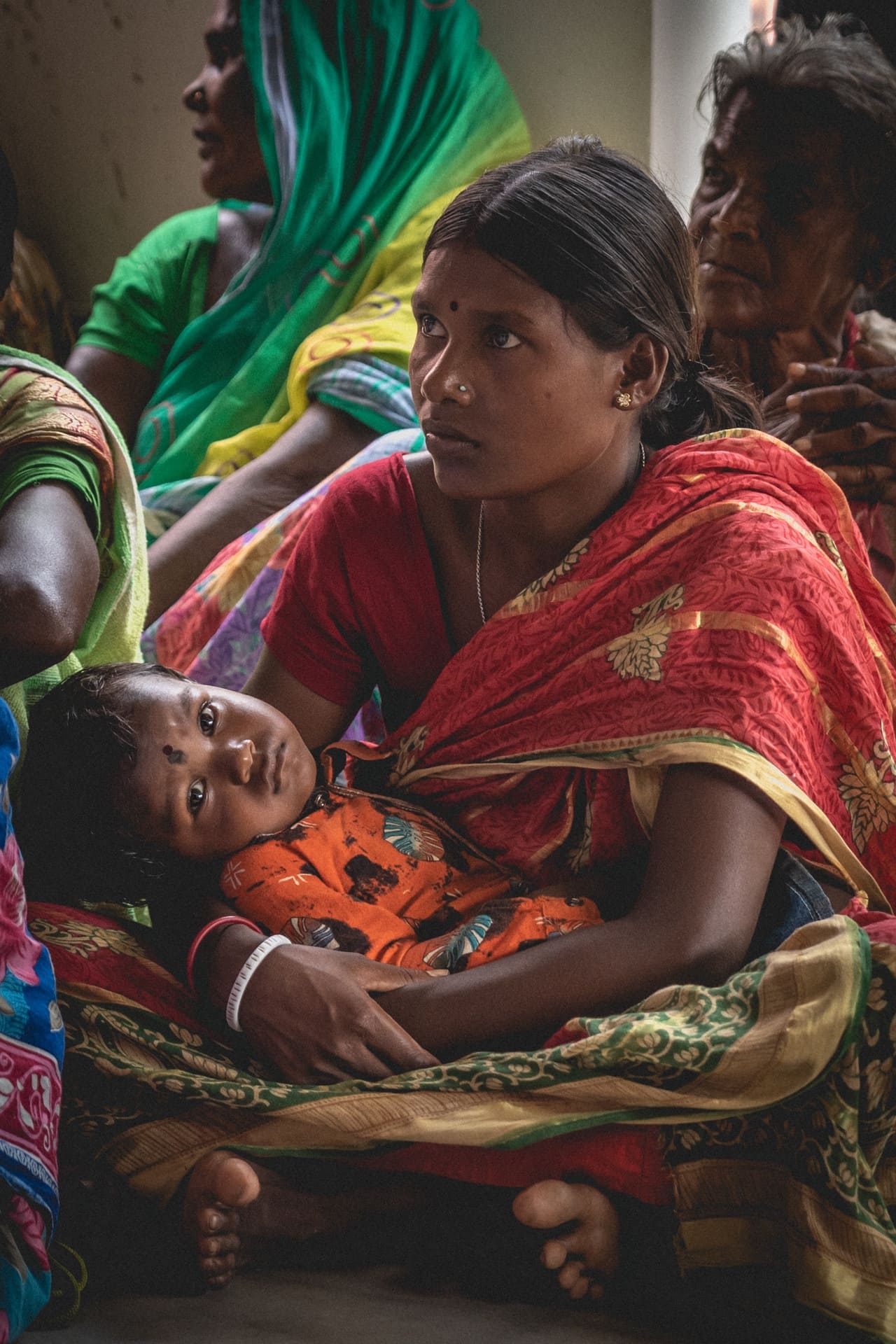
Women and young girls often trek three to five kilometers down steep, rocky hill slopes at dawn to fetch water from muddy, stagnant pits. This daily ordeal causes immense physical strain, forces young girls to drop out of school, and exposes entire villages to waterborne pathogens.
To solve this critical crisis permanently, the India Tribal Care Trust (ITCT) has pioneered the installation of Solar-Powered Deep Borewell Water Systems across drought-vulnerable tribal hamlets. By combining deep hydro-geological drilling with renewable solar energy, ITCT is bringing clean, abundant, and reliable drinking water directly into the heart of remote hill villages.
The Science of Drought Relief in Hard-Rock Hill Belts
Providing water in the rocky terrain of eastern India's tribal ranges presents formidable engineering challenges. The underlying geology consists of dense, impermeable granite and hard basalt rock. Traditional shallow dug wells dry up completely by February, while conventional electric pumps are useless because rural power grids rarely reach these isolated hilltops.
ITCT's solar water initiative overcomes these twin obstacles through sustainable technology:
1. High-Precision Hydro-Geological Drilling
Using heavy-duty rotary drilling rigs, hydro-geologists drill deep through hard-rock layers to reach subterranean aquifers situated 250 to 450 feet underground. These deep water veins remain untouched by surface droughts, providing pure, mineral-rich, and pathogen-free groundwater year-round.2. Off-Grid Rooftop Solar Photovoltaic Arrays
In villages without grid electricity, ITCT installs robust rooftop or ground-mounted solar panel arrays. These solar modules harness abundant sunlight to power submersed stainless-steel DC pumps without requiring diesel fuel or grid power.
3. Elevated Water Storage Towers and Public Tap Stands
Water pumped from the deep aquifer is stored in elevated 2,000 to 5,000-liter food-grade tanks. Gravity-fed distribution pipes then carry clean water to multi-spout public tap stands located in the center of the village, ensuring easy access for every household.Transforming Health, Education, and Sanitation
The arrival of a solar-powered deep water well in a drought-prone tribal hamlet triggers an immediate, transformative ripple effect across the entire community:
Eradication of Waterborne Diseases
Contaminated surface water is the primary cause of chronic dysentery, cholera, diarrhea, and skin infections in forest villages. With clean groundwater available at the turn of a tap, waterborne disease outbreaks in ITCT project villages have dropped by over 80%. Child mortality rates decrease, and family healthcare expenditure plummets.Keeping Girls in School
When water is available inside the village, young girls are freed from the daily burden of hauling heavy water pots across miles of rough terrain. School attendance among adolescent girls increases dramatically, allowing them to complete their primary and secondary education.Agricultural Micro-Irrigation and Kitchen Gardens
Excess water from the solar pumping system is directed into community kitchen gardens (Nutri-Gardens). Villagers grow organic vegetables—spinach, tomatoes, gourds, and lentils—supplementing their daily diets with vital micronutrients and generating supplementary household income.
Improved Personal Hygiene and School Sanitation
Clean water allows village learning centers and schools to maintain sanitary toilets and handwashing facilities. Children internalize healthy handwashing habits, creating a cleaner, healthier environment for the entire hamlet.Community Water Committees: Ensuring Long-Term Sustainability
A core principle of ITCT's water program is local self-governance. To ensure that solar water installations remain operational for decades, ITCT forms a Village Water Management Committee (Jal Samiti) in every project hamlet.
Composed of village elders, women's self-help group leaders, and local youth, the committee receives training in basic plumbing, pump maintenance, solar panel cleaning, and water quality testing. Villagers contribute a nominal monthly fee into a community maintenance fund, ensuring immediate repairs if a pipe or valve wears out.
Because the community manages and owns the water system, there is zero vandalism or neglect. The solar water stand becomes a proud focal point of village unity and self-reliance.
Sponsoring a Solar Water Well: Giving the Gift of Life
Water is life. In a drought-stricken hill hamlet, a solar-powered water well is the single most impactful gift a community can receive. It frees women from backbreaking labor, saves children from deadly diseases, and provides the foundation for education and prosperity.
The cost of hydro-geological surveying, deep rock drilling, solar panels, submerged pumps, water storage tanks, and distribution piping is a one-time investment that serves an entire village for over 25 years.
By donating to the India Tribal Care Trust's Water Security Fund, you can sponsor a complete solar water well system or fund a tap stand for a thirsty tribal hamlet. Together, we can quench the thirst of India's indigenous communities and build a resilient, drought-free future.