Safe Motherhood in the Hills: Maternal Health, Midwifery, and Newborn Care in Remote Tribal Hamlets
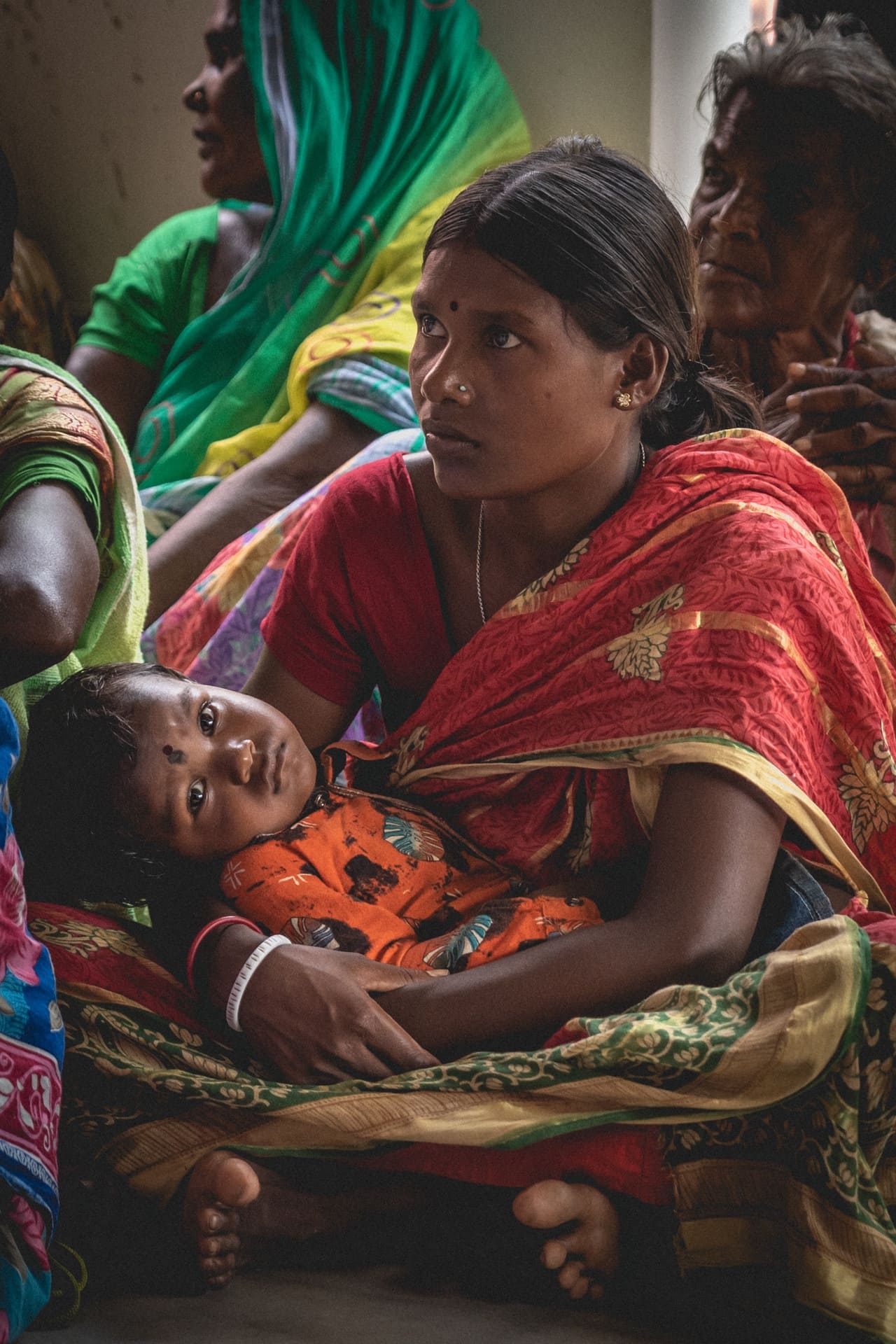
Pregnancy and childbirth ought to be moments of profound joy, hope, and community celebration. Yet, for many indigenous tribal women residing in the remote forest belts of West Bengal, Jharkhand, Odisha, and Assam, bringing a new life into the world has historically been fraught with physical challenges. In these isolated geographies, elevated hill plateaus, rocky forest trails, and seasonal river swells disconnect hamlets from primary healthcare facilities by long distances.
When a labor emergency arises in a remote hamlet, a family's traditional option has often been carrying an expectant mother on a simple cloth litter over rugged mountain paths to reach the nearest paved road. With no emergency ambulances or immediate medical supplies nearby, maternal health complications can quickly become serious concerns.
To support remote communities, the India Tribal Care Trust (ITCT) established its Safe Motherhood & Maternal Healthcare Initiative. By deploying mobile health clinics, supporting local village birth attendants with training, providing free nutrition and iron supplements, and facilitating emergency transport support, ITCT helps ensure that tribal mothers receive essential care throughout pregnancy and childbirth.
Understanding the Maternal Health Challenge in Indigenous Hamlets
To build a meaningful maternal health program in indigenous forest communities, one must address both nutritional and geographical barriers:
1. Chronic Maternal Anemia and Malnutrition
Due to economic hardship and limited access to diverse food sources, many expectant tribal mothers experience severe iron deficiencies. Anemia increases the risk of low birth weight, premature birth, and physical weakness during delivery.2. Limited Access to Routine Ante-Natal Checkups (ANCs)
In traditional forest hamlets, women may go through pregnancy without undergoing routine blood pressure checks, nutritional counseling, or fetal health monitoring. Health complications can go unobserved until labor begins.
3. Hygienic Delivery Environments
When home deliveries occur without clean gloves, sanitized cord cutters, or hygienic bedding, both mother and newborn face risks of preventable infections.ITCT's Safe Motherhood Framework: Four Core Pillars
ITCT approaches maternal healthcare through a continuous, community-rooted care framework spanning from early pregnancy through post-natal infant care.
Pillar 1: Mobile Ante-Natal Care (ANC) Clinics
ITCT's mobile medical units visit remote forest hamlets on regular rotating schedules. Community health volunteers and medical professionals conduct basic ante-natal checkups directly in the village:- Routine Diagnostic Screening: Checking blood pressure, tracking weight gain, and monitoring general maternal health.
- Hemoglobin & Health Screening: Providing point-of-care anemia testing to offer timely nutritional guidance.
- Immunization & Tetanus Protection: Administering routine vaccines to safeguard mothers and newborns against tetanus.
Pillar 2: Maternal Nutrition Kits and Iron Fortification
Adequate nutrition is essential for maternal and fetal well-being. Registered pregnant mothers in project villages receive regular Maternal Health Kits containing:- Protein-rich malted millet mixes (Sattu) fortified with essential minerals.
- Iron, folic acid, and calcium dietary supplements.
- Pulses, unrefined jaggery (gur), and peanuts.
- Clean water purification supplies and personal hygiene products.
Pillar 3: Empowering Traditional Birth Attendants (Dai Training)
To support safe practices in remote areas, ITCT collaborates respectfully with traditional village birth attendants (Dais). ITCT conducts practical hygiene and safety orientation sessions:- Supplying hygienic Safe Delivery Kits containing clean plastic sheets, single-use sterile tools, gloves, and antiseptic soap.
- Orientation on recognizing warning signs—such as prolonged labor or excessive bleeding—that require immediate hospital referral.
- Guiding midwives on immediate newborn care, warmth preservation, and early breastfeeding practices.

Pillar 4: Facilitating Emergency Transport
To address transport obstacles during sudden night emergencies, ITCT coordinates local village emergency support groups. Utilizing local light vehicles or river transport in waterlogged areas, these teams assist in transporting laboring mothers to government medical facilities.Positive Community Impact Across Project Hamlets
The continuous presence of maternal health initiatives across remote hamlets in West Bengal, Jharkhand, and Assam has brought meaningful improvements:
- Improved Maternal Hygiene: Widespread adoption of sterile delivery kits and clean birth practices among village birth attendants.
- Increased ANC Registration: Greater numbers of pregnant women in participating villages now receive regular ante-natal checkups.
- Enhanced Newborn Health: Improved maternal nutrition leads to better average birth weights and stronger infant immunity.
- Community Health Awareness: Increased health literacy among village elders and young mothers regarding maternal nutrition and emergency preparation.
How You Can Support Maternal Health in Tribal Regions
Supporting the health of indigenous mothers and newborns is an essential contribution to community welfare. By partnering with the India Tribal Care Trust, you can directly assist:
- Sponsoring Maternal Health & Nutrition Kits: Provide essential iron supplements, protein mixes, and checkup support for an expectant mother.
- Funding Safe Delivery Kits: Supply hygienic delivery supplies for traditional village birth attendants.
- Supporting Mobile Clinic Operations: Help keep mobile healthcare vans traveling to remote hill hamlets.
- Facilitating Emergency Transport: Support emergency fuel and transport assistance for critical hospital referrals.


