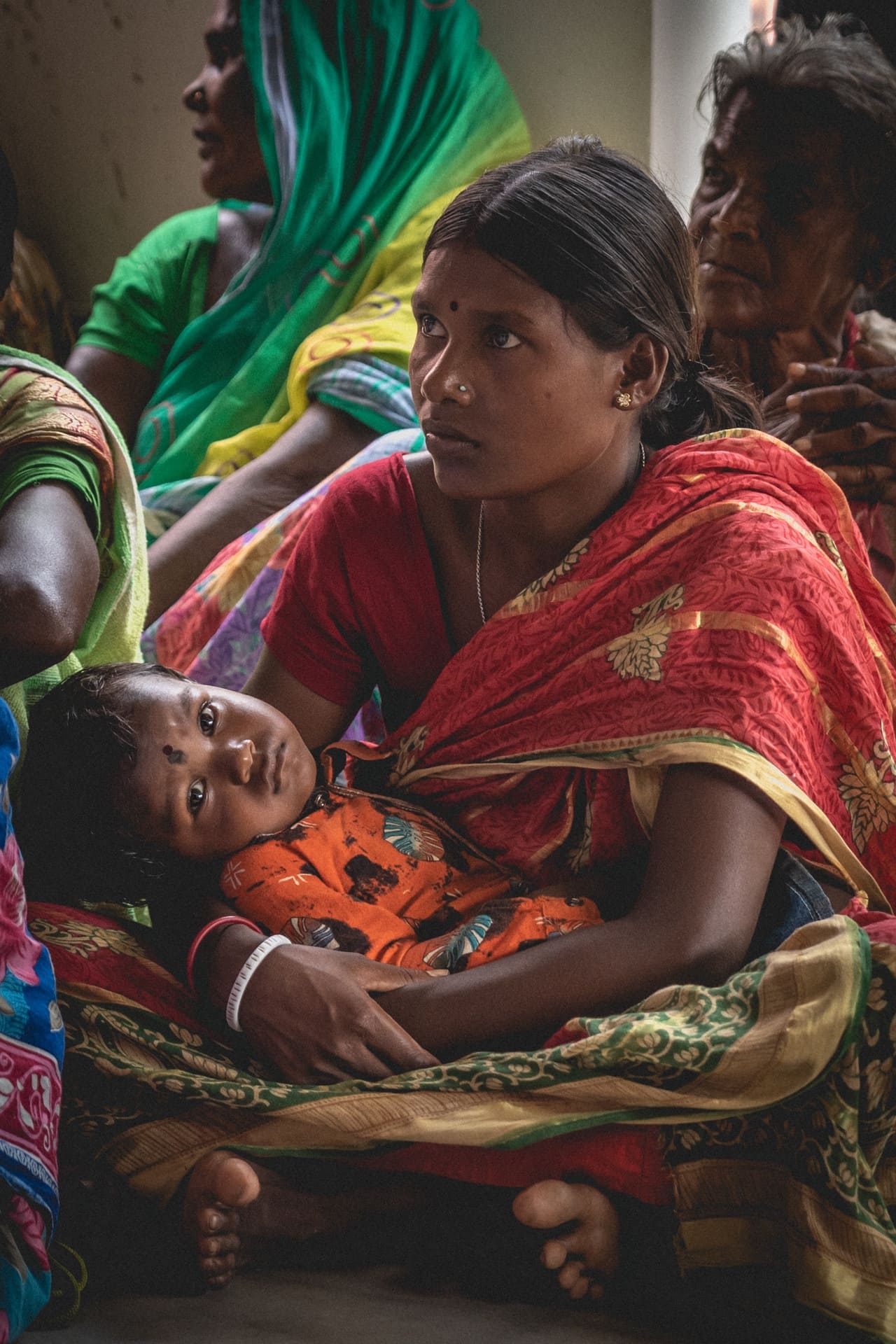
Preventive Healthcare and Mobile Medical Units in Forest Hamlets

Healthcare is a fundamental human right. Yet, for millions of indigenous tribal people residing in the interior forest districts of Jharkhand, West Bengal, Assam, and Odisha, accessing a simple doctor's consultation remains an extraordinary challenge. In these isolated geographies, Primary Health Centers (PHCs) are often located 20 to 40 kilometers away from forest hamlets. With no paved roads, public transport, or ambulances, a sudden fever, snakebite, or maternal complication can turn into a tragic emergency.
Faced with steep travel costs and unfamiliar hospital environments, many tribal families delay seeking medical attention until illnesses reach critical stages. Alternatively, they rely exclusively on uncertified local practitioners, compounding health risks.
To bridge this medical divide, the India Tribal Care Trust (ITCT) operates a network of Mobile Medical Units (MMUs) and Preventive Health Vans. By bringing qualified doctors, diagnostic equipment, free medicines, and health education directly to village doorsteps, ITCT is saving thousands of lives across forest hamlets.
Mobile Medical Vans: Hospitals on Wheels
An ITCT Mobile Medical Unit is a specially customized, all-terrain vehicle designed to navigate unpaved dirt tracks, dry riverbeds, and hilly forest paths. Each mobile unit functions as a fully equipped primary clinic on wheels, staffed by a team of dedicated medical professionals:
- Qualified General Physicians & Paediatricians: Conducting physical examinations, diagnosing acute and chronic illnesses, and prescribing treatment.
- Pharmacists & Health Assistants: Dispensing free high-quality prescription medicines, vitamins, and oral rehydration supplies.
- Community Nurses & Midwives: Providing maternal health check-ups, ante-natal care, immunizations, and child growth monitoring.
- Diagnostic Technicians: Performing rapid point-of-care tests for malaria, hemoglobin levels, blood glucose, and waterborne pathogens.

The MMU operates on a predictable, rotating schedule. Every hamlet is visited at regular two-week intervals, allowing chronic patients—such as elderly villagers with hypertension, asthma, or arthritis—to receive continuous care without missing medication doses.
The Core Focus: Preventive Healthcare and Early Intervention
While treating active illnesses is vital, ITCT's healthcare model places equal emphasis on preventive health education. In remote communities, simple preventive measures can eliminate up to 70% of common rural diseases.
Key Preventive Health Initiatives:
1. Malaria Prevention and Diagnostic Camps
Forest-edge regions are endemic malaria zones. ITCT mobile health teams conduct rapid diagnostic blood tests for symptomatic villagers, administer immediate artemisinin-based therapies, and distribute long-lasting insecticide-treated bed nets (LLINs) to protect families during peak mosquito breeding seasons.2. Maternal and Child Health Care
Maternal mortality in tribal areas historically remains high due to home deliveries conducted without skilled attendance and severe maternal anemia. ITCT health vans track pregnant women across hamlets, providing iron-folic acid supplements, tetanus toxoid vaccinations, dietary counseling, and arranging emergency ambulance transport to district hospitals for complex deliveries.
3. Paediatric Deworming and Micronutrient Drives
Intestinal worm infections and severe anemia severely impair child physical growth and cognitive development. Mobile units conduct biannual deworming drives in village pathshalas, distributing Vitamin A dosages, zinc, and iron syrup to thousands of young children.4. Waterborne Disease Control and Sanitation Workshops
Mobile teams conduct interactive village workshops on boiling drinking water, storing water safely, and proper handwashing with soap. Simple hygiene practices dramatically reduce incidence rates of acute diarrhea and typhoid.Training Village Health Volunteers: The First Line of Defense
Doctors cannot be present in every hamlet 24/7. To ensure round-the-clock emergency support, ITCT trains local tribal youth as Village Health Volunteers (Swasthya Sevaks).
Selected from the local community, these young men and women undergo intensive training in basic first aid, wound dressing, snakebite first-aid protocol, fever management, and recognizing danger signs in pregnant women and infants. Equipped with basic medical kits (thermometers, blood pressure cuffs, bandages, antiseptic, and ORS packets), they serve as the immediate first responders in their villages and coordinate emergency transport when mobile health vans are on route.
Because Health Volunteers speak the local dialect and live in the village, they enjoy the complete trust of the community, serving as a vital bridge between modern medicine and tribal culture.
Real Impact: Over 30,000 Patients Served
Since its inception, ITCT's Mobile Healthcare Program has treated over 30,000 patients across hundreds of remote hamlets. The impact is visible in healthier children, reduced maternal complications, controlled malaria outbreaks, and a profound sense of security among tribal families.
For an elderly grandmother living deep in the forest, seeing the orange ITCT health van pull into her village is a ray of hope. She knows she will be treated with warmth, dignity, and respect by doctors who listen patiently to her ailments.
Supporting Mobile Healthcare for Isolated Hamlets
Operating mobile health vans across rugged terrain requires continuous funding for fuel, vehicle maintenance, medical diagnostic kits, and essential pharmaceuticals.
By donating to the India Tribal Care Trust's Mobile Healthcare Fund, you can sponsor a village health camp, provide life-saving medicines for a hamlet, or fund medical supplies for a trained Village Health Volunteer. Your generosity ensures that distance and poverty never stand between a tribal child and life-saving healthcare. Join us in bringing healing and hope to India's forest hamlets.