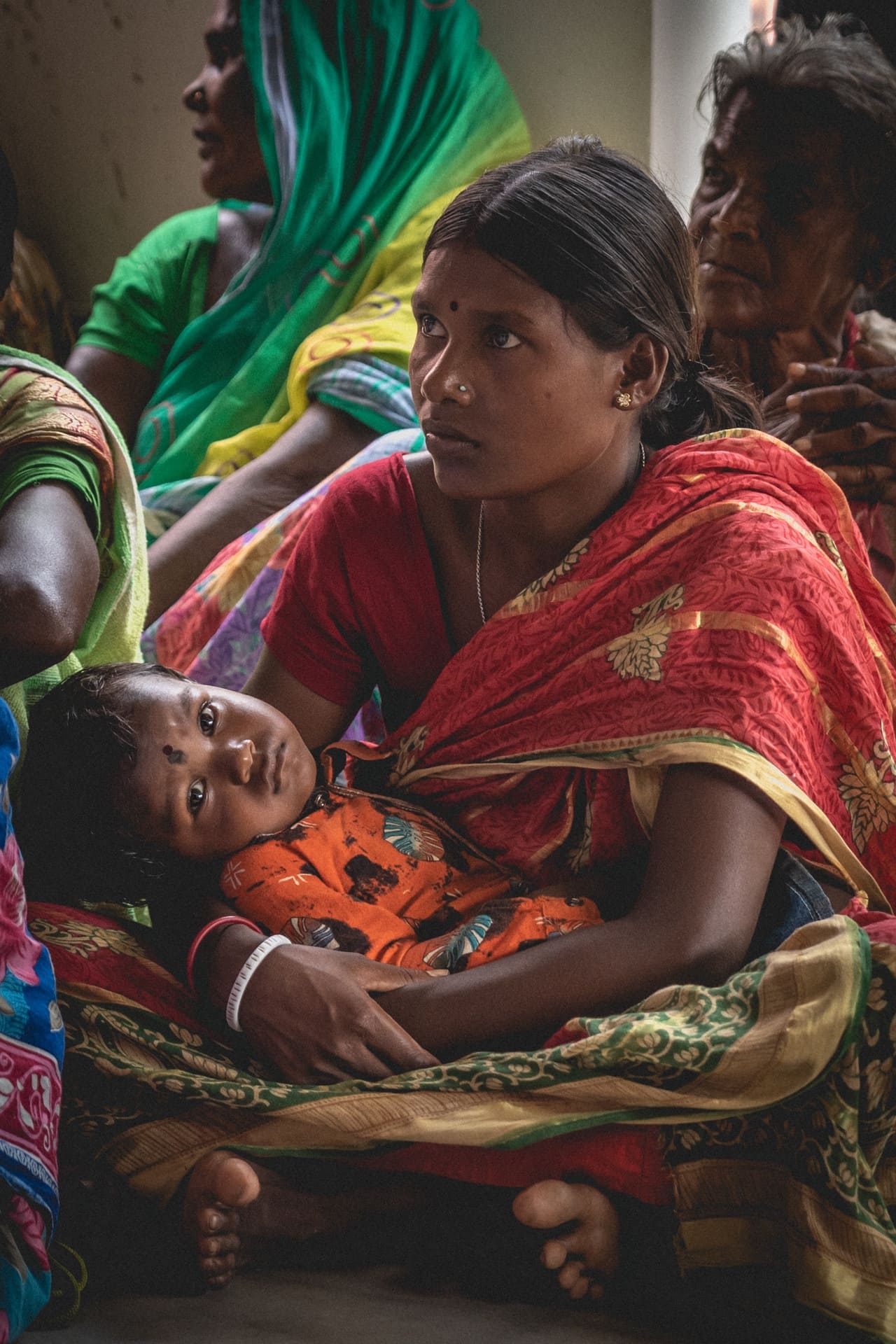
Nutritional Support and Mid-Day Meals: Feeding the Future of Tribal Communities

Education and health are two sides of the same coin. For a child to learn, write, and absorb knowledge, their body must first be nourished. Yet, across many remote tribal-majority pockets of India—spanning regions in West Bengal, Jharkhand, Assam, and Odisha—undernutrition remains a persistent barrier to development. Chronic food insecurity, limited access to balanced diets, and seasonal poverty mean that many children attend classes on an empty stomach. A hungry child cannot concentrate; they become listless, their cognitive growth is stunted, and their resistance to illness collapses.
Recognizing that nutrition is the first step toward effective education, the India Tribal Care Trust (ITCT) has integrated a robust Mid-Day Meal and Nutritional Support Program across its network of schools and village learning centers. By providing daily, freshly cooked, and balanced meals, the trust is not only improving child health but also transforming school attendance and educational outcomes.
The Daily Miracle: Freshly Cooked Meals with Love and Respect
Every school morning, long before the first lesson begins, the kitchens at ITCT schools are bustling with activity. Volunteers and local cooks prepare massive pots of rice, dal, and mixed vegetable curries. The focus is on hygiene, nutritional balance, and taste.
When the lunch bell rings, the school corridors fill with the chatter of excited children. Sitting cross-legged on the floor in neat, orderly rows, they wait as volunteers—including ITCT staff and monks in saffron robes—serve them hot, steaming portions of food. The meals are served with utmost care and respect, creating a sense of dignity and community.

For many of these children, this school meal is the only substantial, warm, and nutritionally complete food they receive in a day. At home, diets are often restricted to plain rice and salt, or wild roots and leaves gathered from the forest. The ITCT mid-day meal incorporates essential proteins, vitamins, and minerals, ensuring that the children's nutritional needs are met during their critical growing years.
Transforming School Enrollment and Retention
The introduction of the hot mid-day meal program has had a dramatic, measurable impact on the schools. In rural tribal communities, the economic calculus of sending a child to school is complex. If parents are struggling to feed their family, children are often kept home to help forage for food or work as agricultural help.
When a school guarantees a hot, filling meal every day, the equation changes. For parents, sending their child to school means one less mouth to feed at home, and a guarantee that their child is receiving healthy food.

Following the implementation of the meal program in ITCT schools in Assam and West Bengal, student enrollment and daily class attendance increased significantly. More importantly, daily attendance stabilized. Children no longer miss classes due to seasonal hunger or energy depletion. They are present, focused, and ready to learn.
The Psychological Shift: Learning with a Full Stomach
The benefits of nutritional support go beyond physical health. Teachers report a noticeable difference in the classroom environment. Before the meal program, children in afternoon classes were often sleepy, irritable, or unable to focus on assignments. With regular meals, the classroom energy is vibrant and alert.
A full stomach gives children the mental energy to ask questions, participate in games, and engage with complex subjects. They feel secure, cared for, and looked after by the community. This emotional security is a critical factor in reducing school drop-out rates, especially as children reach adolescence.
Beyond the Plate: Teaching Hygiene and Community Values
The mid-day meal is also an educational tool in itself. Before sitting down to eat, all children line up at the handwashing stations, learning the importance of personal hygiene and handwashing with soap to prevent waterborne illnesses.
The communal dining experience also dissolves social barriers. Children from different tribal clans and backgrounds sit together, eat the same food, and share duties like cleaning up the dining space. This fosters a spirit of unity, respect, and mutual cooperation that they carry back to their families.
Addressing Malnutrition in the Long Run
ITCT's nutritional efforts are not confined to the school kitchen. The trust runs regular health camps where doctors monitor the height, weight, and hemoglobin levels of the children. Children diagnosed with severe acute malnutrition or anemia are provided with special dietary supplements, vitamins, and regular follow-ups.
Furthermore, the trust conducts awareness sessions for mothers, educating them on low-cost nutritious foods, kitchen gardening, and safe cooking practices using locally available forest produce and vegetables. By educating the mothers, the trust ensures that nutritional habits improve at the household level, creating a lasting impact on future generations.
Sponsoring a Meal, Nourishing a Life
The scale of the nutritional support program is vast. Every day, thousands of plates of food are served across ITCT learning centers. This requires a constant supply of food grains, vegetables, cooking fuel, and clean water.
By sponsoring mid-day meals, donors can directly impact a child's life. A small contribution can feed a classroom of hungry children, giving them the physical strength and mental clarity to build a better future. Your support is not just feeding a child; it is feeding their dreams and potential. Let us join hands to ensure that no child in India's tribal heartlands has to choose between food and education.