Combating Tribal Malnutrition: Organic Nutri-Gardens and Free Meal Distribution Programs

Nutritional well-being is fundamental to human health, learning, and growth. In remote forest belts across eastern India, addressing nutrition remains a crucial priority. Geographical isolation, soil erosion, and changing economic conditions have influenced traditional food availability in remote hamlets.
For many families living in interior villages of West Bengal, Jharkhand, Assam, and Odisha, daily diets often lack sufficient variety, proteins, and essential micronutrients. Chronic dietary deficits can lead to undernourishment in children and anemia among mothers.
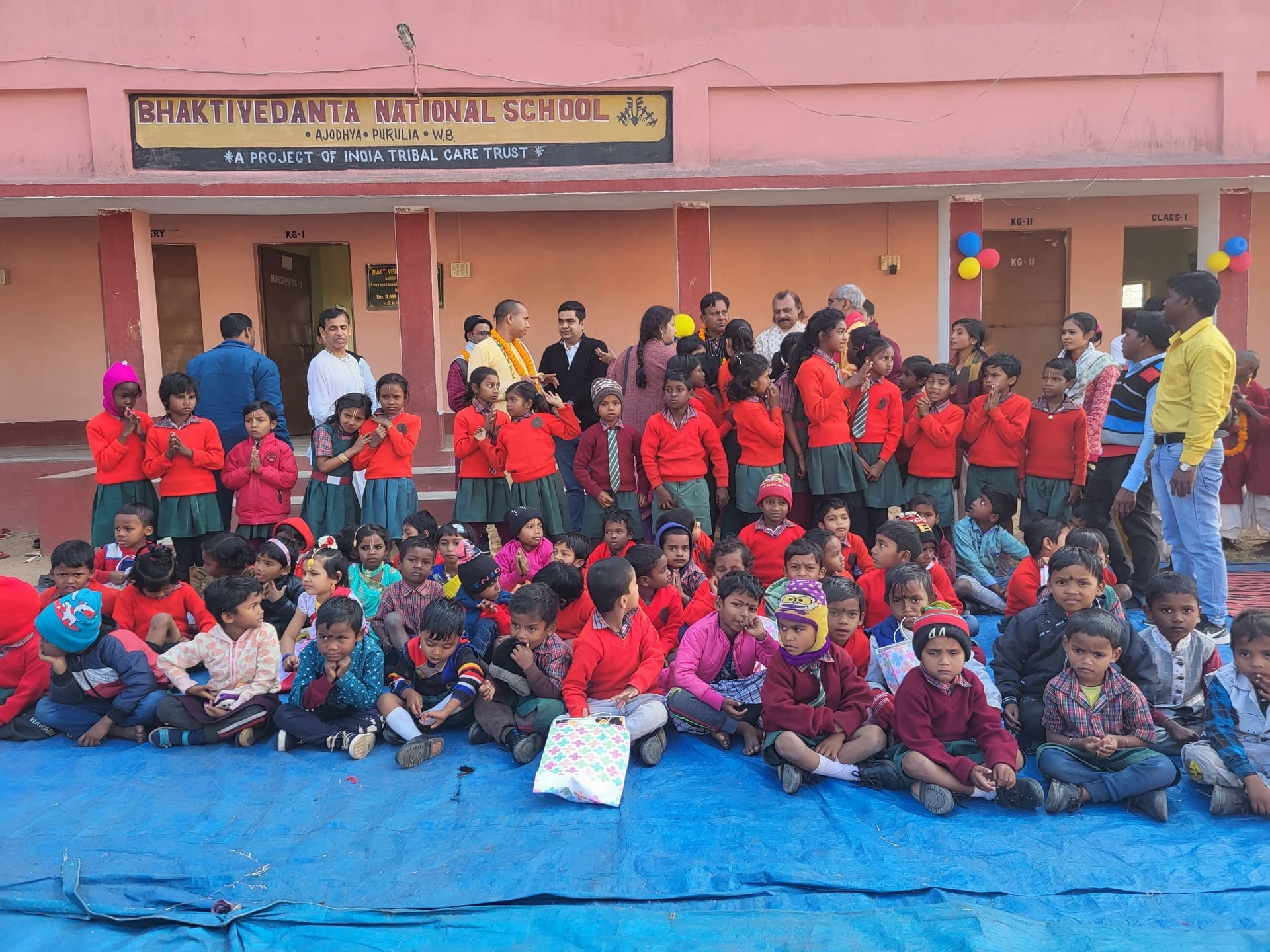
To address nutrition challenges, the India Tribal Care Trust (ITCT) operates an integrated Nutrition & Food Security Program. Combining daily meal support in schools with household Nutri-Gardens (Poshan Vatika) and health education, ITCT works to improve child nutrition across forest hamlets.
Factors Affecting Nutrition in Remote Villages
Understanding local conditions helps shape effective nutritional interventions:
1. Seasonal Dietary Variation
During heavy monsoon months or lean agricultural periods, household food reserves can decrease, making access to diverse foods difficult.2. Dietary Diversity
Traditional diets sometimes lack sufficient variety in vegetables, legumes, and protein sources, leading to micronutrient shortages even when calorie intake is met.
ITCT's Integrated Nutrition Strategy
ITCT addresses nutrition through immediate meal support and long-term household garden initiatives.
1. Free Daily Meals in Schools
At ITCT-supported schools and learning centers (Pathshalas), children receive freshly prepared daily meals containing:- Protein-Rich Pulses: Lentils (dal), chickpeas, and legumes for physical growth.
- Fresh Vegetables: Greens, pumpkin, bottle gourd, and beans.
- Nourishing Staples: Rice, wheat flatbreads, unrefined jaggery (gur), and milk.
2. Organic Nutri-Gardens (Poshan Vatika)
To support long-term household nutrition, ITCT encourages Organic Nutri-Gardens, providing families with native vegetable seeds, fruit saplings, and organic composting guidance.
Household gardens focus on nutrient-dense plants:
- Moringa (Drumstick) & Papaya: Rich in natural vitamins and minerals.
- Leafy Greens & Amaranth: High in iron and essential micro-nutrients.
- Fruit Trees: Guava, lemon, and banana trees providing seasonal fruits.
3. Maternal Nutrition Awareness
ITCT health volunteers conduct community awareness sessions for pregnant and lactating mothers, offering guidance on balanced diets, infant feeding practices, and iron supplementation.Positive Outcomes Across Hamlets
Sustained nutrition initiatives produce clear positive results:
- Improved School Attendance: Daily nutritious meals encourage regular school attendance.
- Enhanced Child Vitality: Better dietary balance improves energy levels and classroom engagement.
- Household Fresh Produce: Home Nutri-Gardens provide families with regular fresh vegetables.
How You Can Help
Supporting nutrition programs makes a direct impact on child welfare. By partnering with ITCT, you can assist:
- Sponsoring Daily School Meals: Fund nutritious meals for children at village schools.
- Providing Nutri-Garden Kits: Supply seeds and saplings for household gardens.
- Supporting Maternal Health Support: Assist in providing nutrition guidance for mothers.