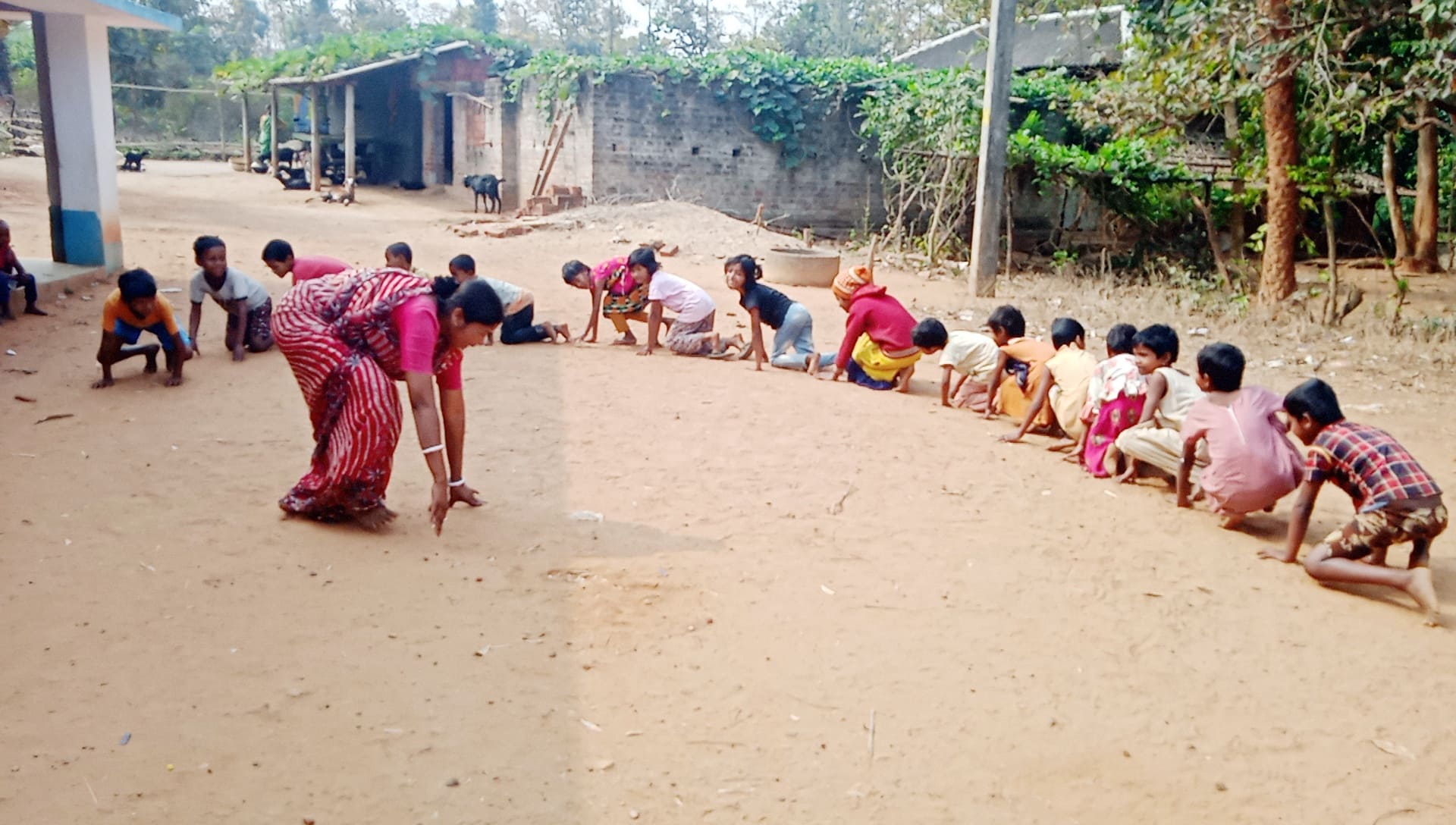
Nurturing Young Minds: Early Childhood Education and Primary Schools in Remote Tribal Settlements
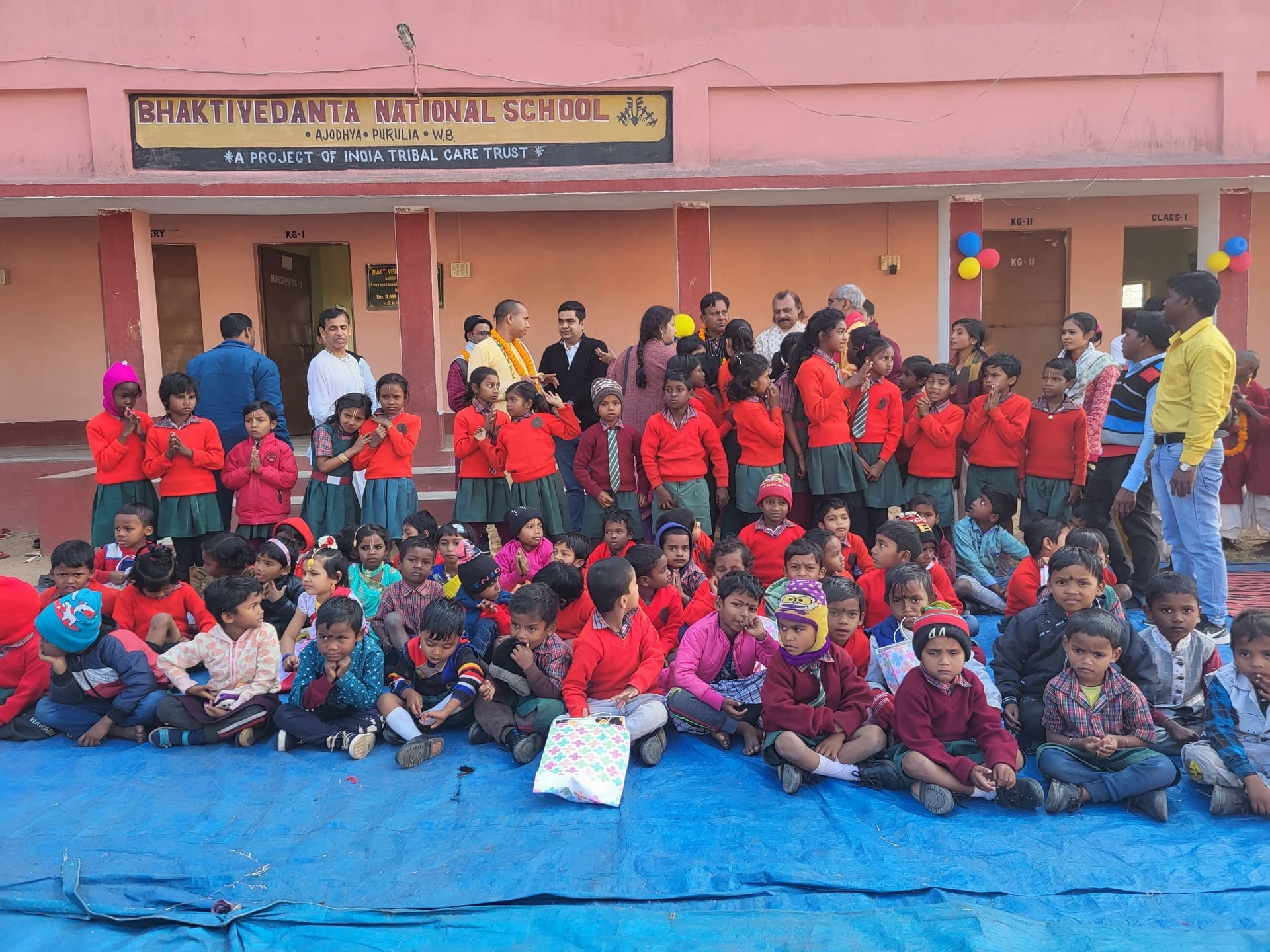
Education is a primary path toward personal growth and community development. For children living in remote forest hinterlands, however, accessing primary education requires overcoming physical and linguistic hurdles. Government primary schools in hilly regions may be located long distances away across difficult terrain.
In addition, children from indigenous communities who speak local dialects at home often encounter medium-of-instruction barriers when entering standard primary classrooms.
To address these educational needs, the India Tribal Care Trust (ITCT) supports a network of Tribal Primary Schools and Community Learning Centers (Pathshalas). By offering mother-tongue bridge instruction, child-friendly classrooms, local teachers, and holistic education, ITCT nurtures young learners in forest hamlets.
Overcoming Barriers in Tribal Education
Effective primary education requires addressing specific local challenges:
1. Language Bridge Support
Children who speak local indigenous languages at home benefit from initial instruction in their native dialect alongside standard regional languages. ITCT supports local bilingual instructors to ease this learning transition.2. Geographical Access
Decentralized village Pathshalas located within walking distance of hamlets help younger children attend school safely and regularly.
3. Learning Materials and Meal Support
ITCT schools provide free learning materials, textbooks, uniforms, and daily mid-day meals, removing financial burdens for families.The ITCT Education Approach
ITCT's education initiatives emphasize child-centered learning:
1. Activity-Based Learning
Classrooms utilize visual charts, wooden alphabet blocks, counting tools, and storybooks to make foundational learning engaging.2. Local Teachers (Shiksha Mitras)
ITCT supports local educated youth as instructors. Living in the same village, these teachers understand local customs and communicate effectively with students.
3. Holistic Learning
Curricula cover core subjects (Language, Mathematics, Environmental Science) alongside moral values, physical sports, and environmental care.Community Participation
ITCT forms Mothers' Committees (Matri Samitis) to involve parents in school monitoring, attendance tracking, and meal oversight.
How You Can Support Education
By supporting ITCT's education initiatives, you can directly contribute:
- Sponsoring a Student's Education: Cover annual learning materials, uniforms, and meals.
- Supporting a Village Pathshala: Assist with learning supplies and teacher stipends.
- Providing Books & Uniforms: Supply textbook sets and school gear for young learners.